!["Hydro-electric power for Opunake, Taranaki: a view of the Waiana [sic] River to be harnessed, the site of the weir being where the figures are standing". J. Feaver. Auckland Weekly News (7 July 1921).](/media/nyzpk30w/hydro-electric-power-for-opunake-taranaki.jpg?rmode=boxpad&height=500&quality=90&v=1dcdf9d04bc96c0&bgcolor=FFF)


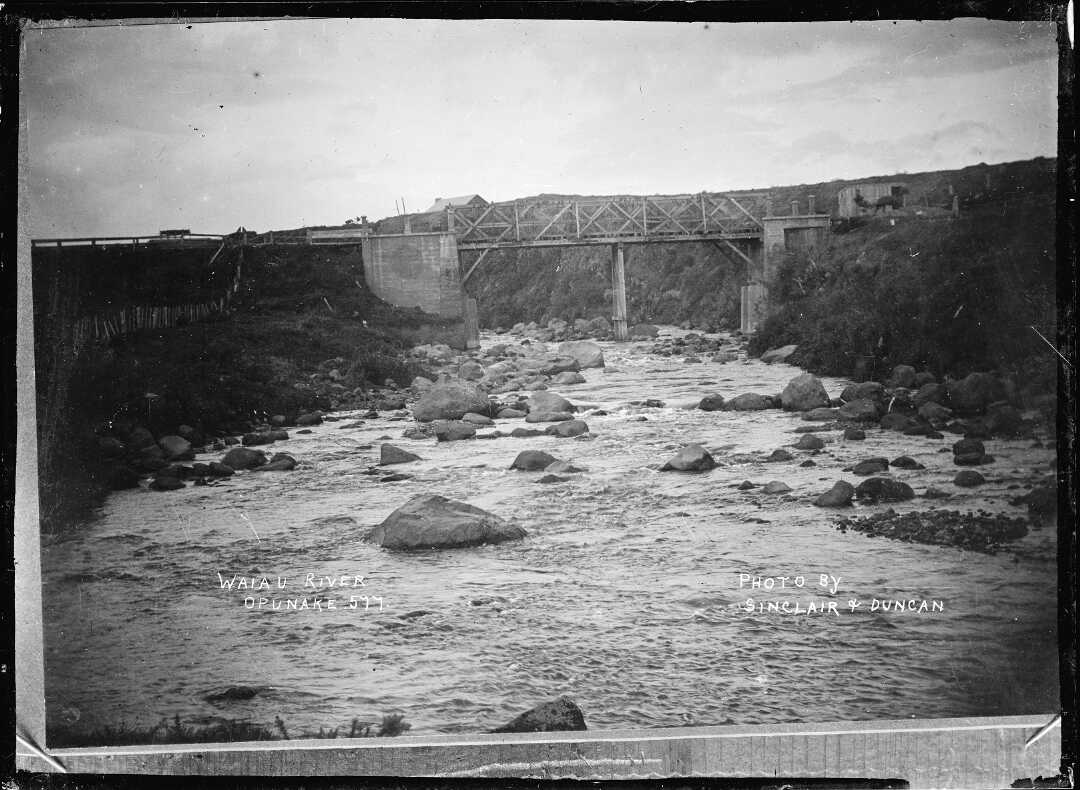
!["Hydro-electric power for Opunake, Taranaki: a view of the Waiana [sic] River to be harnessed, the site of the weir being where the figures are standing". J. Feaver. Auckland Weekly News (7 July 1921).](/media/nyzpk30w/hydro-electric-power-for-opunake-taranaki.jpg)
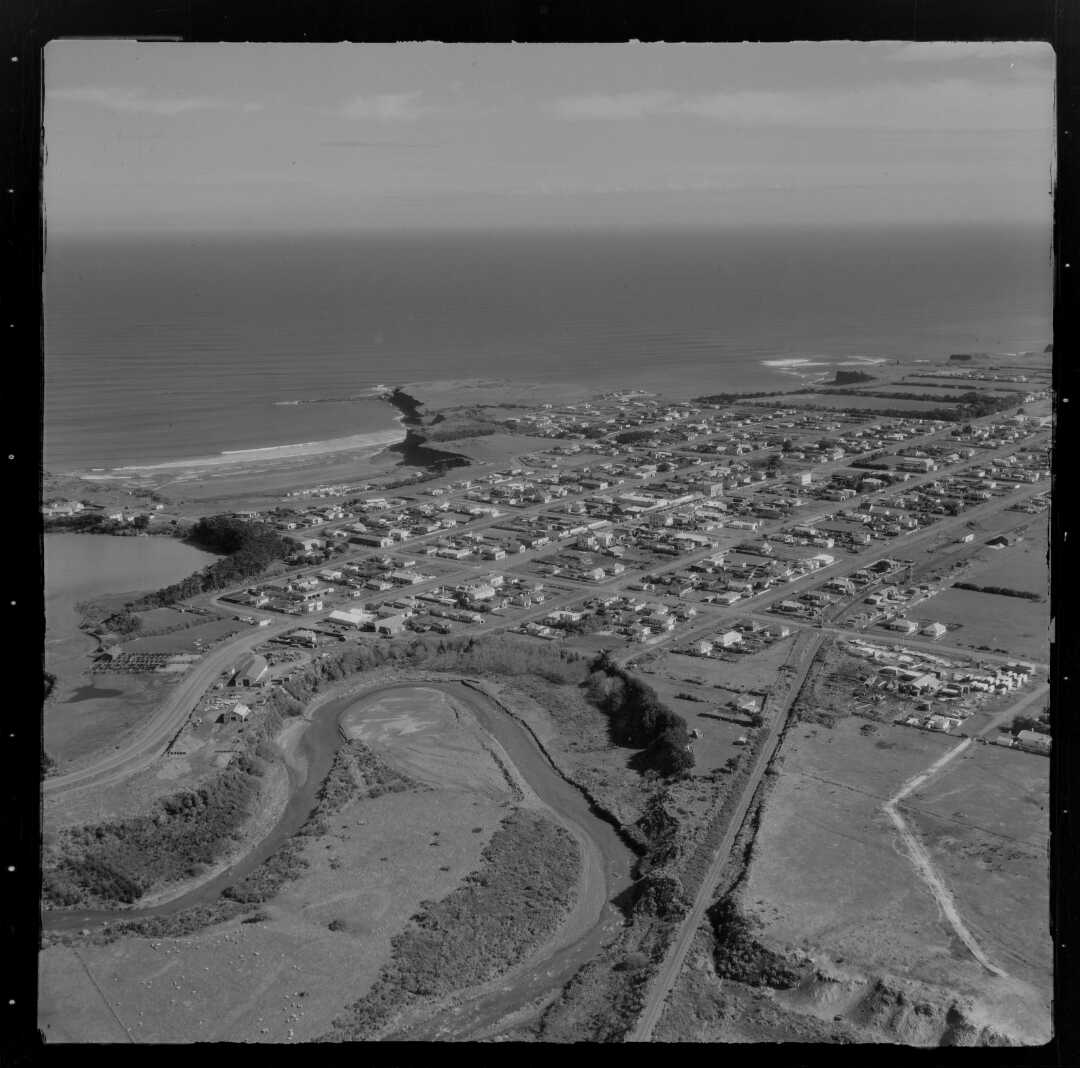
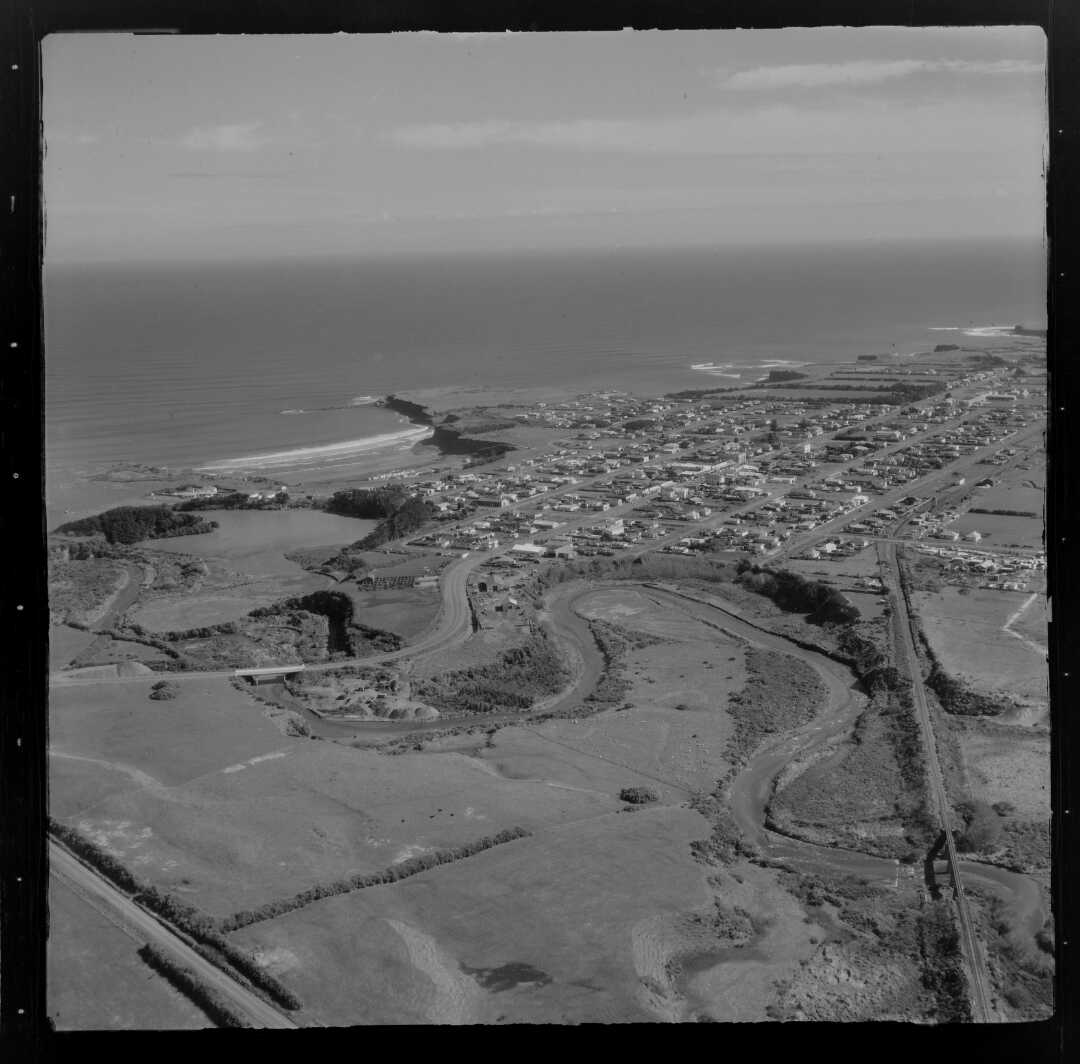
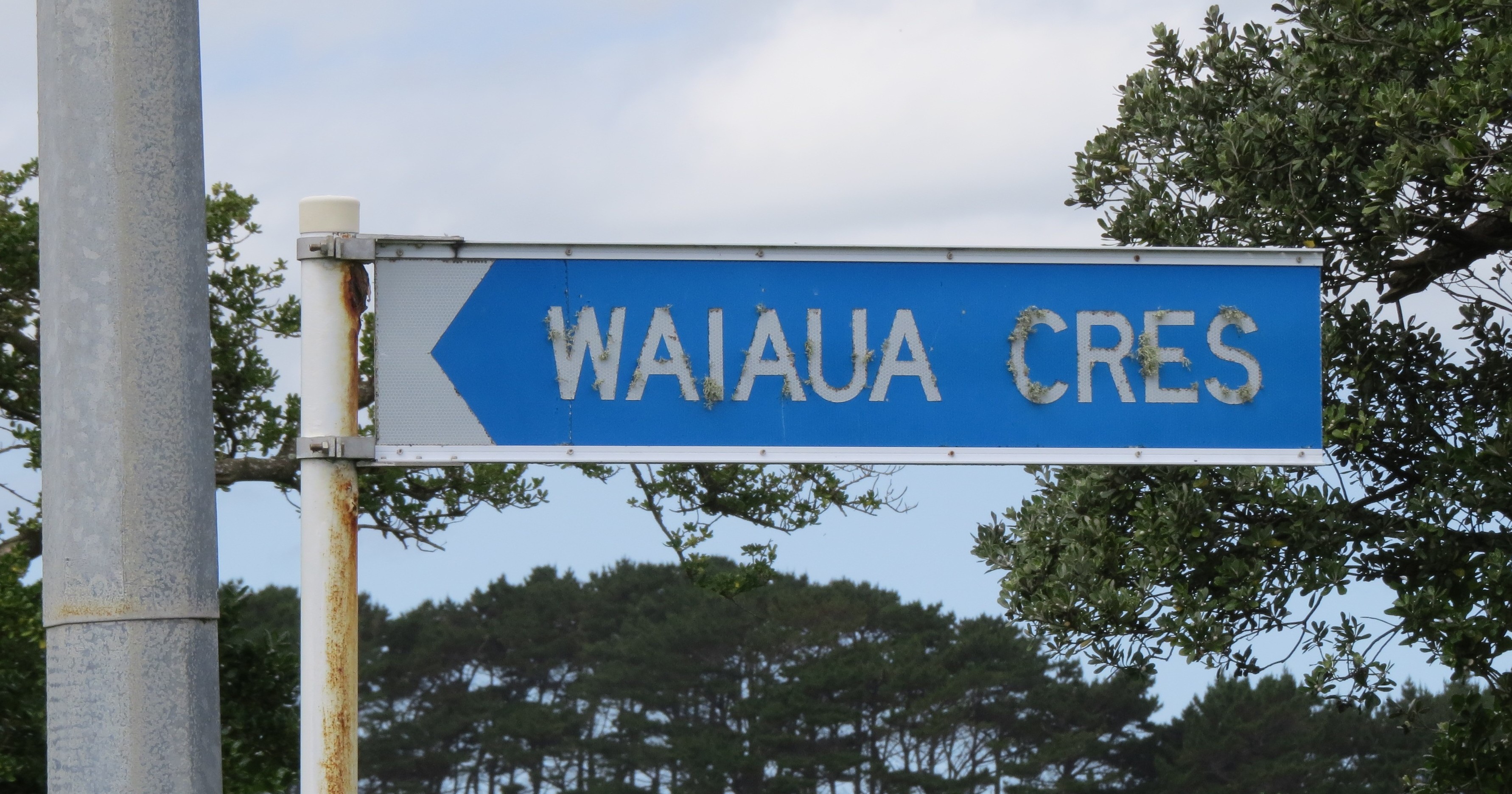
Waiaua Crescent runs off Gisborne Terrace in Ōpunake and takes its name from the nearby Waiaua River. The short cul-de-sac is located on land previously used as a railway reserve for the Ōpunake Branch line to Te Roti. Aytoun Street originally connected Gisborne Terrace to Whitcombe Road, but this northern section was closed and Waiaua Crescent formed in 1983.
The Waiaua River flooded frequently from the 1890s, causing slips and destabilising buildings. Strong wire netting was laid and gorse and lupins planted along its banks in an attempt to prevent erosion but flood protection work did not start in earnest until the Great Depression with the construction of groynes.
Waiaua means “water containing herring” but in 1894 storekeeper Henry Newman released 1000 trout fry into the river. By 1902 fish weighing six kilograms were being caught and the Waiaua had gained a reputation as “one of the best trout streams in Taranaki”. The river was periodically restocked by members of the Taranaki Acclimatisation Society with rainbow and brown trout still swimming there today.
A bridge was constructed over the Waiaua in the 1880s but it too was often damaged by flooding. At the opposite extreme were droughts, like that in 1947 during which local firefighters were forced to draw water from the tributary.
Ōpunake used kerosene lamps to light its streets until 1910 when acetylene gas was introduced. There had been plans to use the Waiaua River to produce electricity for the town since the 1890s and the Opunake Electric Power Board was created in 1921. Damming the river formed a storage reservoir above the beach – Ōpunake Lake, once the site of vegetable gardens tended by members of the Armed Constabulary – with a pipeline down the cliff to a turbine where water was discharged into the sea. The Ōpunake hydroelectric power scheme went live on 1 October 1923 and the town was lit by electricity from then on. The Board supplied 40 new streetlights at a cost of £160 but just a few weeks later the Opunake Times demanded more, claiming they should be on “every dangerous corner”.
Arthur Shippey, whose job it was to light the old lamps, had seen the writing on the wall and resigned the previous year.
This story was originally published in the Taranaki Daily News.
Related Documents
Taranaki SO6268 Waiaua Crescent (1923), ICS Pre 300,000 Cadastral Plan Index (Imaged by LINZ)
Taranaki SO7837 Waiaua Crescent (1939), ICS Pre 300,000 Cadastral Plan Index (Imaged by LINZ)
Please do not reproduce these images without permission from Puke Ariki.
Contact us for more information or you can order images online here.
The information on this website is provided for general research and reference only. While we try to keep content accurate and current, we make no guarantees about its completeness or correctness. It should not be considered a replacement for a LIM or a Property Report. Some content is supplied by third parties. Puke Ariki has not verified this content and users should check its accuracy before relying on it.The inclusion of a building on the website does not imply heritage status. See SCHED1 in the NPDC District Plan for a list of buildings that have rules about what can happen to or around them (administered by NPDC). See the New Zealand Heritage List for a list of buildings that are celebrated for their heritage significance but are not subject to rules (administered by Heritage New Zealand Pouhere Taonga). Should any corrections need to be made to the records or for more information please contact us.