
!["Plan of proposed town Waitara, Taranaki" (1842). Frederic Carrington. Collection of Alexander Turnbull Library (MapColl-832.299gmbd/[184-]/Acc.22904).](/media/4qzn3jht/map.jpg?rmode=boxpad&height=500&quality=90&v=1dcfe67f8d3f800&bgcolor=FFF)


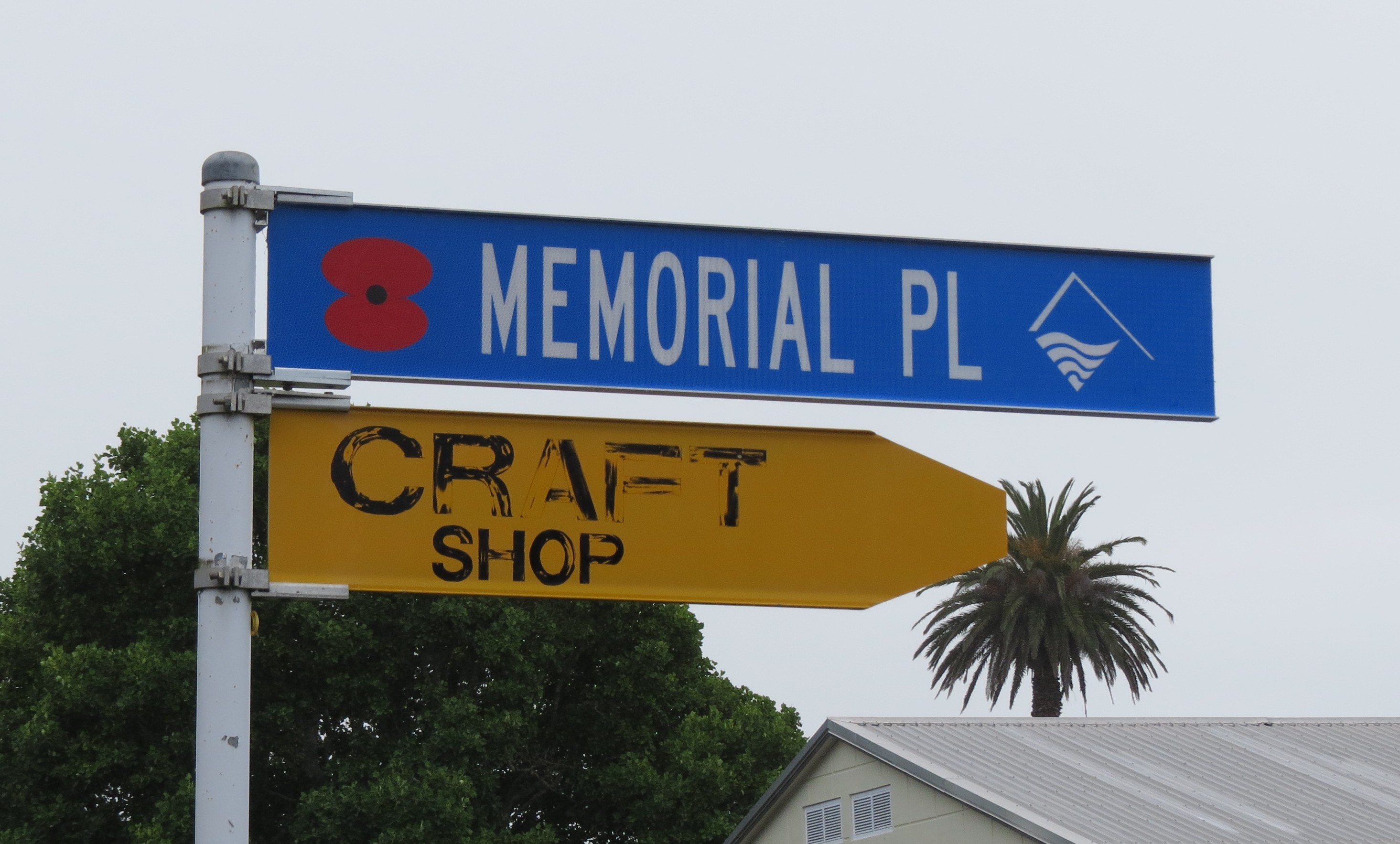
!["Plan of proposed town Waitara, Taranaki" (1842). Frederic Carrington. Collection of Alexander Turnbull Library (MapColl-832.299gmbd/[184-]/Acc.22904).](/media/4qzn3jht/map.jpg)
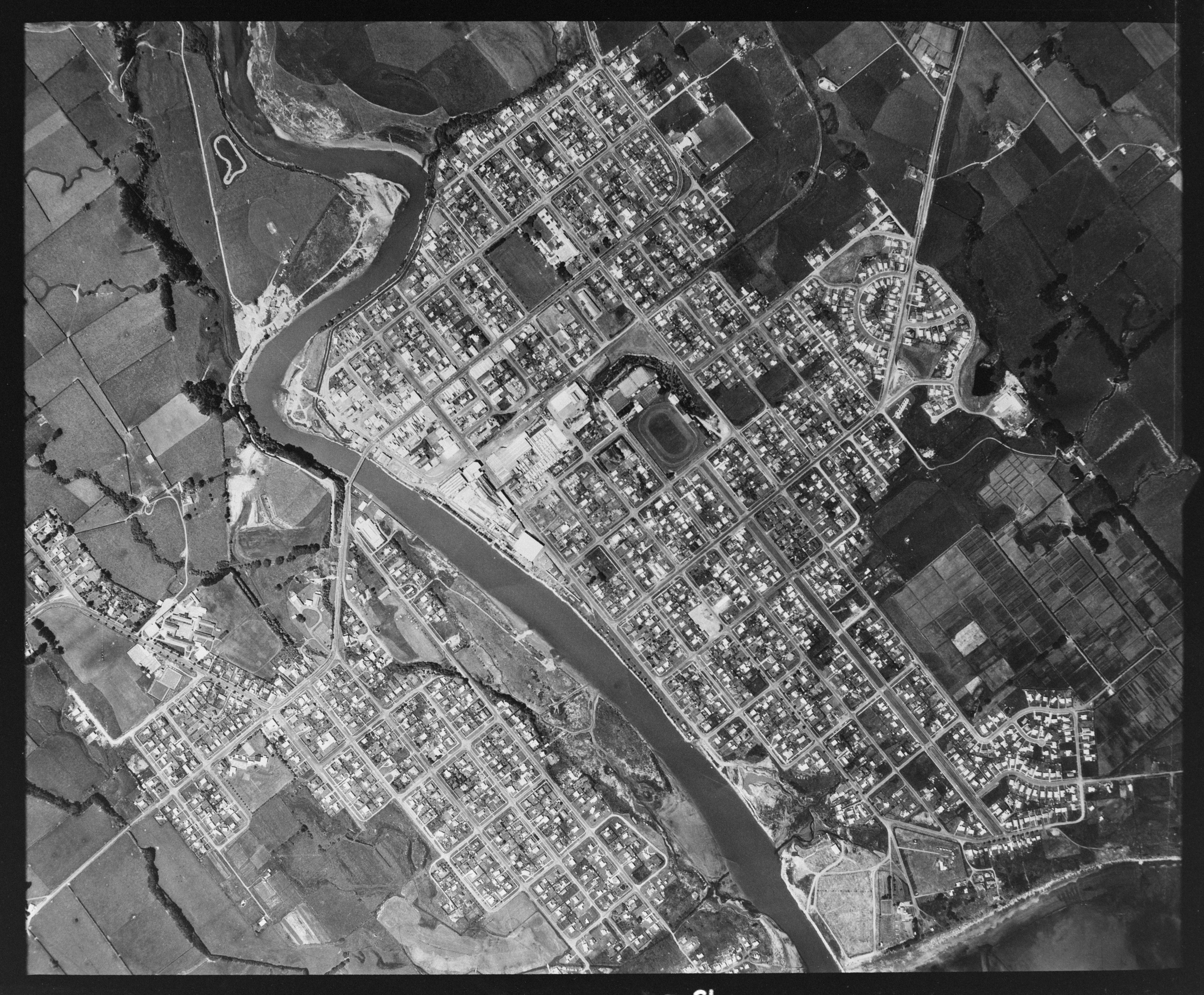
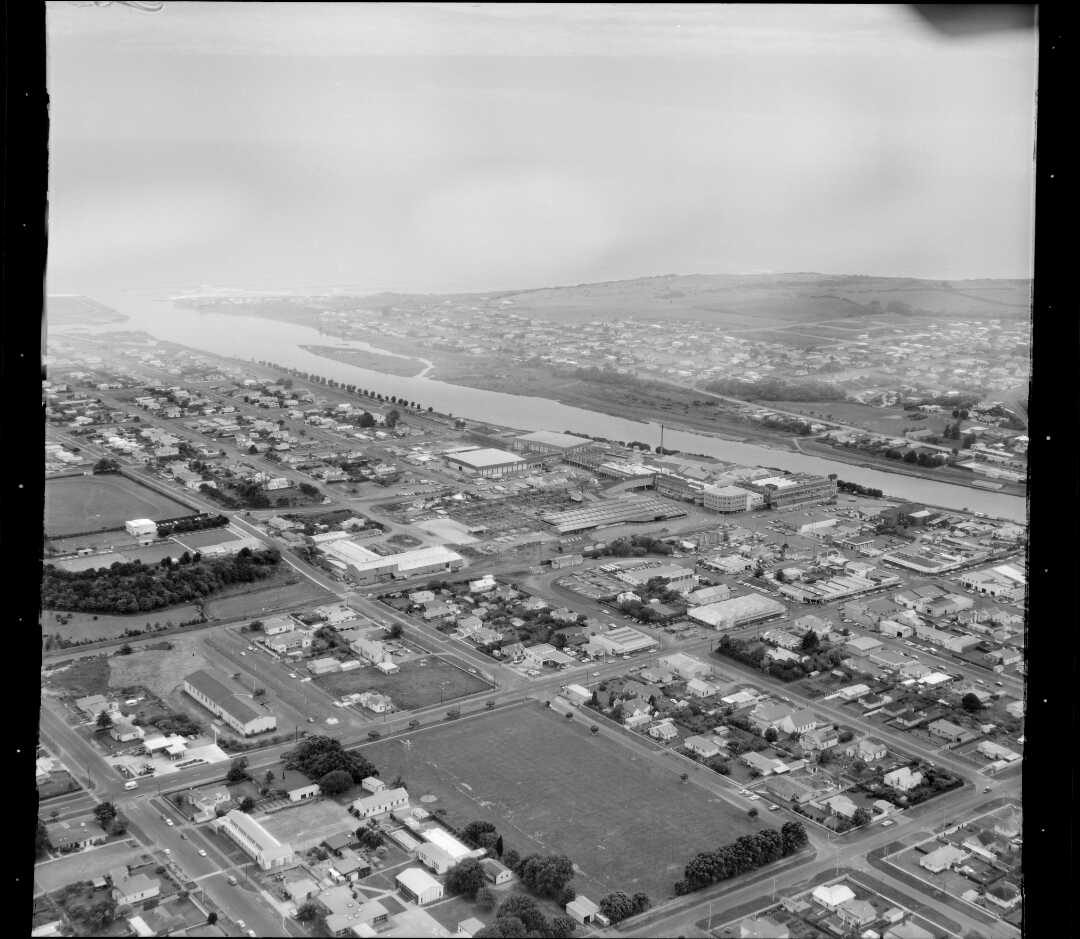
Memorial Place was once part of Broadway but the section between Whitaker and McLean streets was renamed after the Waitara War Memorial Hall opened in 1959.
Plans to create a public memorial to the Second World War began in 1947 when it was suggested that a children’s playground might be an appropriate form of commemoration. Residents could not agree, however, and four years passed before the Waitara Borough Council called a public meeting and put the matter to a vote. Ninety per cent of respondents preferred a community centre instead so in 1952 a committee was formed to raise the necessary funds.
In less than a year an impressive £22,000 had been gathered, prompting the government to provide a pound-for-pound subsidy which gave the council a total of £45,000 to lay out the grounds, construct the hall and erect a suitable monument in the entrance foyer. Christchurch construction firm C.S. Luney Ltd. carried out the building work on two acres of land purchased from the Catholic Church.
A few days before the hall was opened, the Waitara branch of the Returned Services Association asked the Council to consider changing the name of that part of Broadway to something “more in keeping with the memorial aspect” – Anzac Avenue was rejected as being unoriginal, as was Kiwi Parade, suggested by town clerk Colin Toohill, but Memorial Place was approved.
The War Memorial Hall was officially opened before a crowd of 2000 people on Sunday 13 September 1959 by Minister of Internal Affairs William Anderton. Waitara Mayor William Roy Yardley was present, as well as MP for Stratford Thomas Templeton Murray and President of the Waitara RSA Peter (Akapita) Winterburn. Interestingly, Francis Douglas Memorial College was opened in New Plymouth on the same day.
A coloured stone installation in the lobby designed by Maxwell Smart, Art Master at Waitara High School, features an illuminated cross with the inscription “We shall remember them” and four marble tablets listing the names of 67 local men who made the supreme sacrifice in the First and Second World Wars.
The largest hall in the district has hosted many performances by the Waitara Little Theatre over the years as well as everything from bird shows and boxing matches to talent quests and the Taranaki Country Music Festival.
Pukekohe Domain borders Memorial Place to the north, named after a pā that was once located there. Related to the Oataraua hapū, the pā was so-called for the kohekohe (New Zealand mahogany) trees that grew in abundance in the area. In 1860 British troops established a military presence, Camp Waitara, on the site, which was abandoned the following year.
This story was originally published in the Taranaki Daily News.
Please do not reproduce these images without permission from Puke Ariki.
Contact us for more information or you can order images online here.
The information on this website is provided for general research and reference only. While we try to keep content accurate and current, we make no guarantees about its completeness or correctness. It should not be considered a replacement for a LIM or a Property Report. Some content is supplied by third parties. Puke Ariki has not verified this content and users should check its accuracy before relying on it.The inclusion of a building on the website does not imply heritage status. See SCHED1 in the NPDC District Plan for a list of buildings that have rules about what can happen to or around them (administered by NPDC). See the New Zealand Heritage List for a list of buildings that are celebrated for their heritage significance but are not subject to rules (administered by Heritage New Zealand Pouhere Taonga). Should any corrections need to be made to the records or for more information please contact us.


