


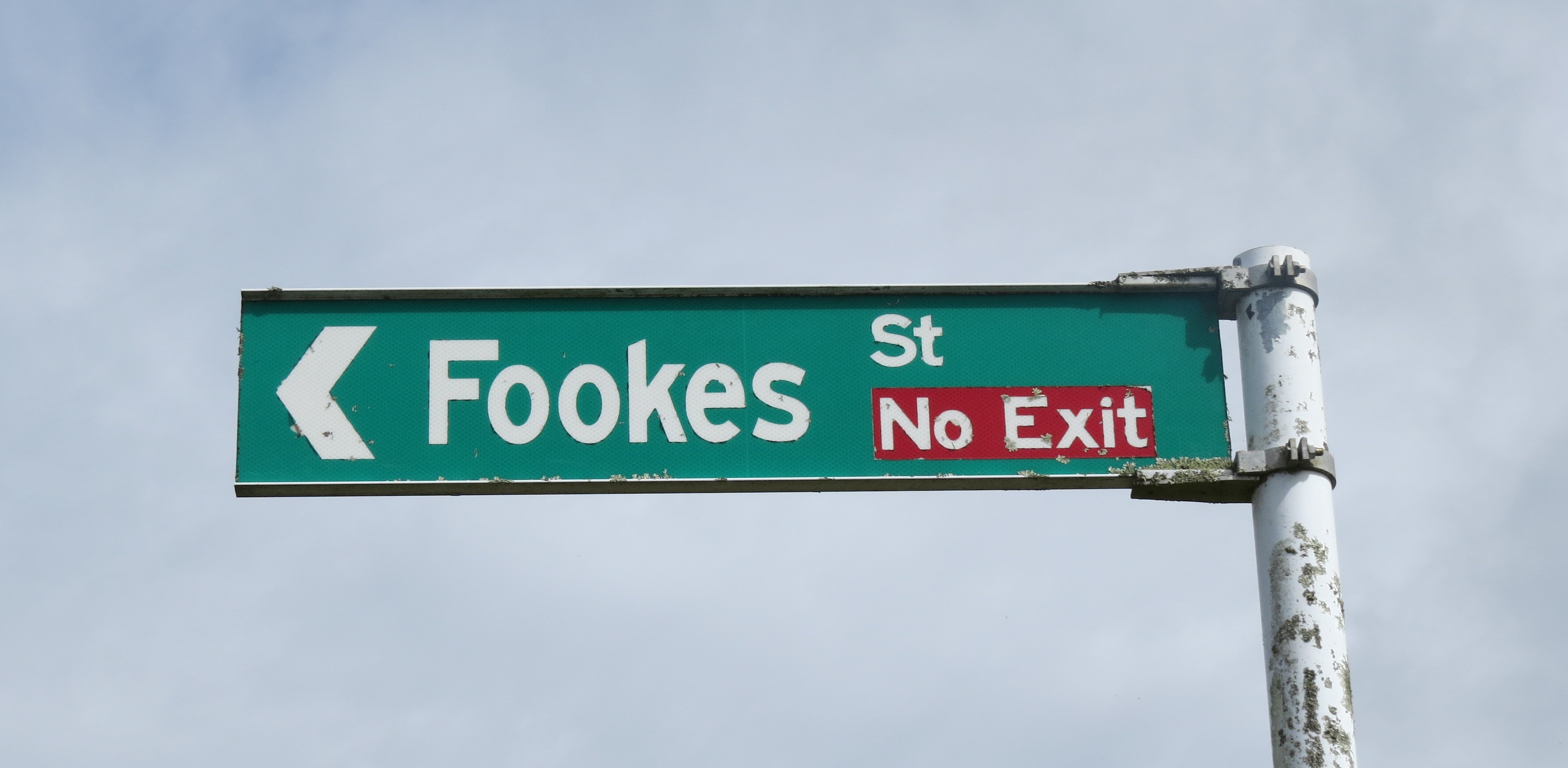
Fookes Street runs parallel to Mountain Road in Midhirst and was named after the man who established the town.
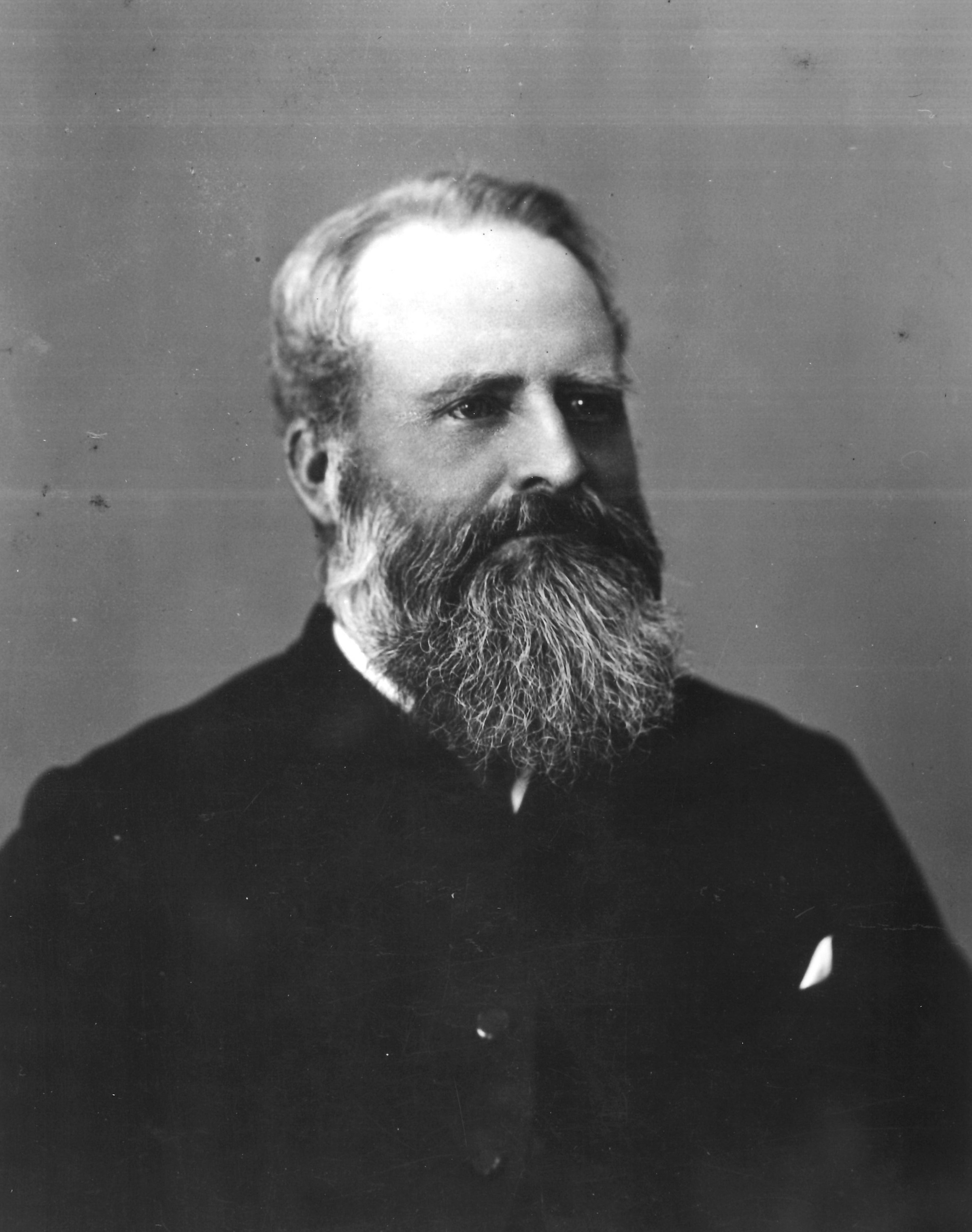
Albert Cracroft Fookes was born in Kent in 1839, the eldest son of Thomas and Maria Fookes (nee Cox). Albert’s father was a headmaster, so he received a decent education which enabled him to join a banking firm in London when he left school.
After seven years behind a desk, Albert sought his fortune on the goldfields of Aotearoa, sailing to Otago on the ship Black Eagle in 1861. But the New Zealand Wars intervened so he moved north, joining the Colonial Defence Force in Wellington as a trooper. Promoted to Lieutenant, he saw action with the Taranaki Military Settlers in various campaigns between 1864 and 1868, including at Te Ngutu o te Manu (‘the beak of the bird’) near Kaponga where Ngāti Ruanui leader Riwha Tītokowaru defeated government forces despite being outnumbered six to one.
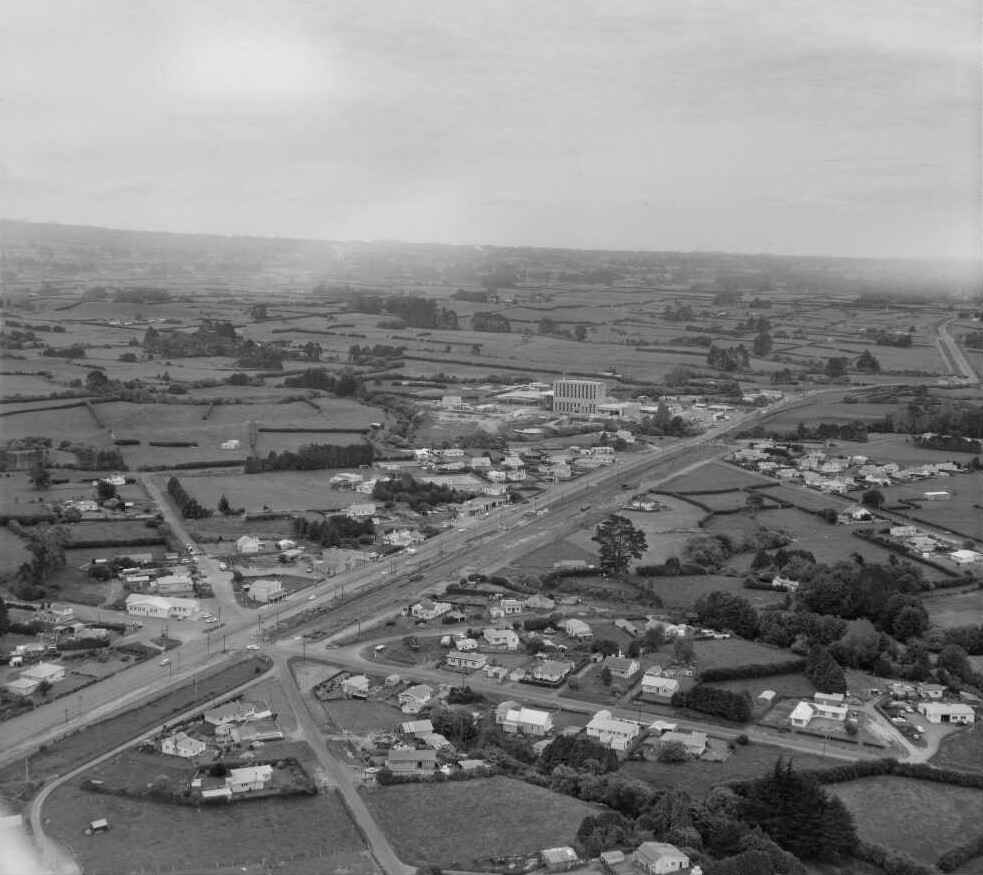
Albert was granted property near Waverley as a reward for his service and ran a store there but in 1876 he moved to New Plymouth and became a successful land broker. One of the larger blocks he acquired from the government in 1877 became known as the Midhirst Special Settlement. He subdivided these 5000 acres (2000 hectares) into small farms and residential lots east and west of the railway line, cleared the thick bush, formed roads and constructed a bridge over the Manganui River. With the opening of a general store, butcher shop and bakery, a new town was born. Albert later donated land for a cemetery, the only one in the district at that time, on Beaconsfield Road.
Albert served as Mayor of New Plymouth from 1878 to 1879 then on the Borough Council and the New Plymouth High School Board of Governors. He also ran for Parliament, losing to the incumbent Thomas Kelly by 127 votes.
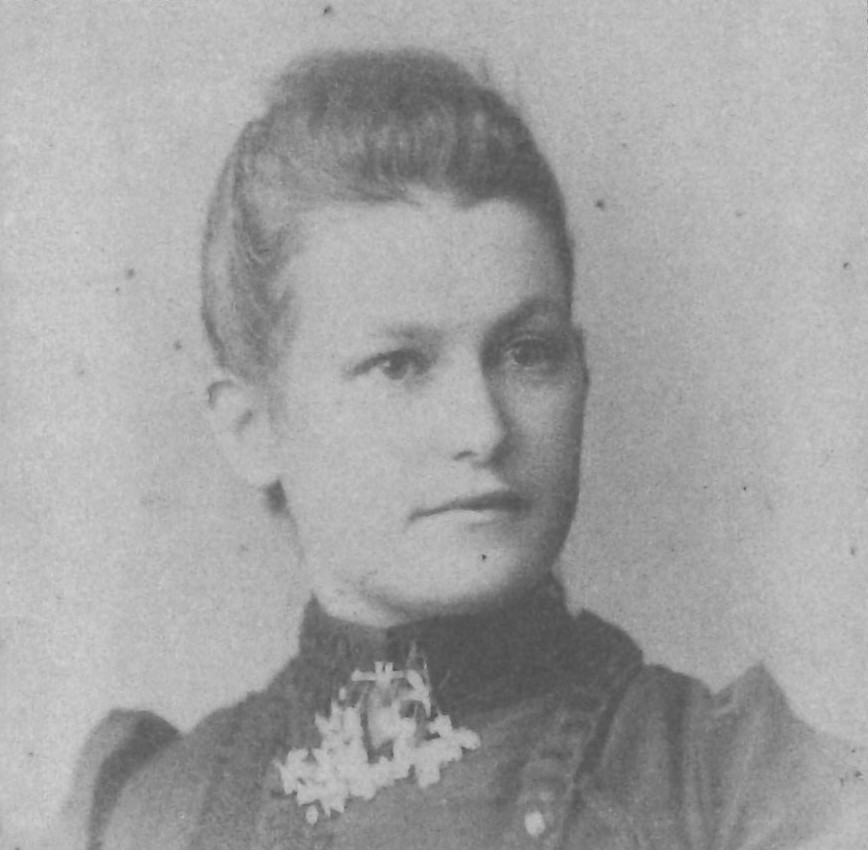
Albert married Harriet Hirst (1839-1918) in 1867 and they had six sons and five daughters, including a set of identical twins. Harriet’s mother Grace described her son-in-law as “an exceedingly kind husband and father” who was “clever in business matters” as well as being “much liked for his honesty and straightforwardness”. The family lived at Willowfield on Cameron Street in Ngāmotu which is where Albert died on 2 August 1916 at the age of 77.
This story was originally published in the Taranaki Daily News.
Central Taranaki pioneering: foundation of new townships (Taranaki Daily News 26 March 1928)
LinkWillowfield, 37 Cameron Street (1863)
LinkTe Ngutu o te Manu Memorial (1890)
LinkFormer mayor's rates bill finally paid more than a century after his death (Taranaki Daily News 29 January 2022)
LinkPlease do not reproduce these images without permission from Puke Ariki.
Contact us for more information or you can order images online here.
The information on this website is provided for general research and reference only. While we try to keep content accurate and current, we make no guarantees about its completeness or correctness. It should not be considered a replacement for a LIM or a Property Report. Some content is supplied by third parties. Puke Ariki has not verified this content and users should check its accuracy before relying on it.The inclusion of a building on the website does not imply heritage status. See SCHED1 in the NPDC District Plan for a list of buildings that have rules about what can happen to or around them (administered by NPDC). See the New Zealand Heritage List for a list of buildings that are celebrated for their heritage significance but are not subject to rules (administered by Heritage New Zealand Pouhere Taonga). Should any corrections need to be made to the records or for more information please contact us.


